
From Military Experience to Cybersecurity Careers: Building on the Skills You Already Have
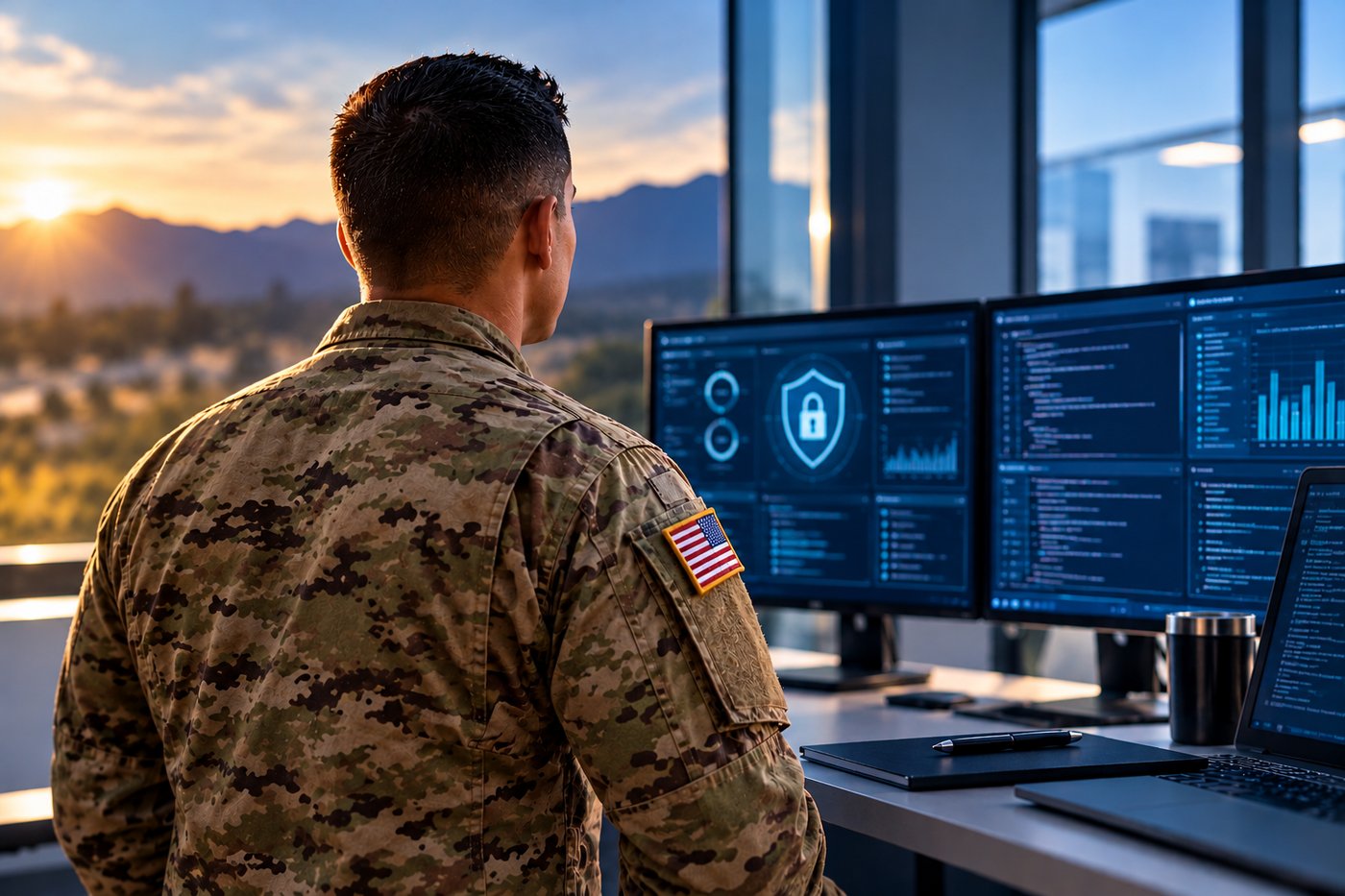
Transitioning from military service to a civilian career can feel like starting over. You may have years of experience managing complex operations, protecting sensitive information, or making decisions under pressure, but understanding how those skills translate into civilian opportunities isn't always easy.
For veterans and transitioning service members exploring cybersecurity careers, many skills developed through military service can provide a valuable foundation. Cybersecurity professionals assess risks, identify threats, follow security procedures, and respond to incidents—responsibilities that may already be familiar.
You don't necessarily need a military background in IT to pursue cybersecurity. By recognizing your transferable skills and building technical knowledge, you can begin preparing for a new career path.
How Military Skills Translate to Cybersecurity
Military operations and cybersecurity share important principles, including situational awareness, risk management, teamwork, and responding effectively under pressure.
The key is understanding how your military experience relates to civilian cybersecurity responsibilities.
| Military Experience | Relevant Cybersecurity Skill |
|---|---|
| Monitoring operational activity | Security monitoring and situational awareness |
| Assessing threats | Risk assessment and threat analysis |
| Following security protocols | Security policy implementation |
| Coordinating emergency responses | Incident response coordination |
| Protecting sensitive information | Information security and access control |
| Conducting inspections | Security assessments and compliance |
| Leading operational teams | Team coordination and security operations |
These examples illustrate transferable skills, not direct job qualifications. Employers will still evaluate your technical knowledge and experience.
The NIST NICE Workforce Framework for Cybersecurity can help you explore cybersecurity roles and identify the skills associated with them.
Cybersecurity Careers That Align With Military Experience
Cybersecurity offers several career paths that may align with skills developed during military service.
Security Operations Center (SOC) Analyst
Veterans experienced in monitoring activities, assessing threats, or responding to changing situations may be interested in security operations.
SOC analysts monitor security alerts, investigate suspicious activity, and support incident response. Relevant technical skills include networking fundamentals, log analysis, and security monitoring tools.
Governance, Risk, and Compliance (GRC)
Military experience involving inspections, policy enforcement, documentation, or risk management may translate well to GRC responsibilities.
GRC professionals help organizations assess cybersecurity risks, maintain security policies, and meet compliance requirements.
Network and Systems Security
Veterans with experience in military communications, information systems, or technical equipment may be interested in network and systems security.
These professionals help protect networks, configure security controls, manage access, and troubleshoot technical issues. IT support or network administration can also provide a stepping stone into cybersecurity.
Cybersecurity Project Coordination
Military leadership and operational planning experience may be relevant to cybersecurity project coordination.
These positions involve organizing security initiatives, coordinating teams, and tracking project progress. More advanced positions typically require additional cybersecurity knowledge and experience.
Building Cybersecurity Skills Through Training and Certifications
Military experience provides a foundation, but cybersecurity careers also require technical knowledge and practical skills.
Industry-recognized certifications can help veterans develop that knowledge and demonstrate familiarity with cybersecurity concepts.
Depending on your background and goals, certifications worth considering include:
- CompTIA A+ and Network+: Build foundational IT and networking knowledge, particularly for individuals without a technical background.
- CompTIA Security+: Covers essential cybersecurity concepts, threats, vulnerabilities, and security operations.
- CompTIA CySA+: Focuses on defensive security, threat detection, vulnerability management, and incident response for learners with existing technical knowledge.
Hands-on training is equally important. Practicing activities such as analyzing security logs, investigating alerts, and configuring security controls helps connect classroom knowledge to practical responsibilities.
Instructor-led cybersecurity training can provide structure, expert guidance, and opportunities to practice technical skills in a supportive learning environment.
Four Steps to Transition From Military Service to Cybersecurity
A successful transition starts with identifying your strengths and building a realistic training plan.
- Identify your transferable skills. Review your military experience and highlight responsibilities involving security, technology, risk management, investigations, or leadership.
- Explore cybersecurity careers. Research positions that match your interests and compare job descriptions to identify common technical requirements.
- Build relevant technical skills. Choose training and certifications that support your intended career path. Look for opportunities to apply what you learn through hands-on exercises.
- Demonstrate your qualifications. Update your resume using civilian terminology and document relevant training, technical projects, and practical skills you can discuss during interviews.
The goal isn't to replace your military experience but to build on it with qualifications that civilian employers recognize.
Cybersecurity Training Benefits for Veterans
Veterans and transitioning service members may have access to education benefits that can help support their cybersecurity career goals.
GI Bill Benefits
The GI Bill® can help eligible veterans and service members pursue approved education and career training programs.
Applied Technology Academy offers VA-approved training options that can help eligible students develop technical skills and prepare for industry-recognized certifications.
Learn more about GI Bill training options at Applied Technology Academy.
Veteran Readiness and Employment (VR&E)
Veteran Readiness and Employment (VR&E), also known as Chapter 31, helps eligible veterans and service members with service-connected disabilities prepare for, obtain, and maintain suitable employment.
VR&E may support cybersecurity training when it aligns with an approved rehabilitation and employment plan.
Applied Technology Academy works with VR&E participants and their counselors to explore appropriate training options.
Explore ATA's Veteran Readiness and Employment program to learn more.
Before enrolling, confirm your eligibility and verify that your intended training is approved for your specific benefits.
Build on Your Military Experience With Cybersecurity Training
Your military experience has helped you develop skills that may be valuable in cybersecurity. The next step is building the technical knowledge needed to apply those strengths in a civilian career.
Applied Technology Academy offers instructor-led cybersecurity training that combines expert instruction with hands-on learning.
Whether you're exploring cybersecurity for the first time or expanding existing technical skills, the right training can help you prepare for your next career opportunity.
Contact Applied Technology Academy to explore training options that align with your experience and career goals.
Frequently asked questions
Can veterans enter cybersecurity without an IT background?
Yes. Veterans without an IT background can pursue cybersecurity careers, but they generally need to develop technical knowledge through training, certifications, and hands-on practice.
What military skills are useful in cybersecurity?
Transferable skills may include threat assessment, risk management, incident coordination, attention to detail, teamwork, and leadership. Their relevance depends on the cybersecurity role.
Is CompTIA Security+ a good starting point for veterans?
Security+ can be a useful starting point because it covers foundational cybersecurity concepts. Veterans without basic IT or networking knowledge may benefit from additional preparation first.