Fast-Track Your Blue Team Career with Live Cybersecurity Training
Cybersecurity threats continue to evolve, creating an ongoing need for professionals who can monitor systems, investigate suspicious activity, and respond to security incidents. For career changers, blue team cybersecurity offers a path to apply existing technical, analytical, and communication skills to defensive security work.
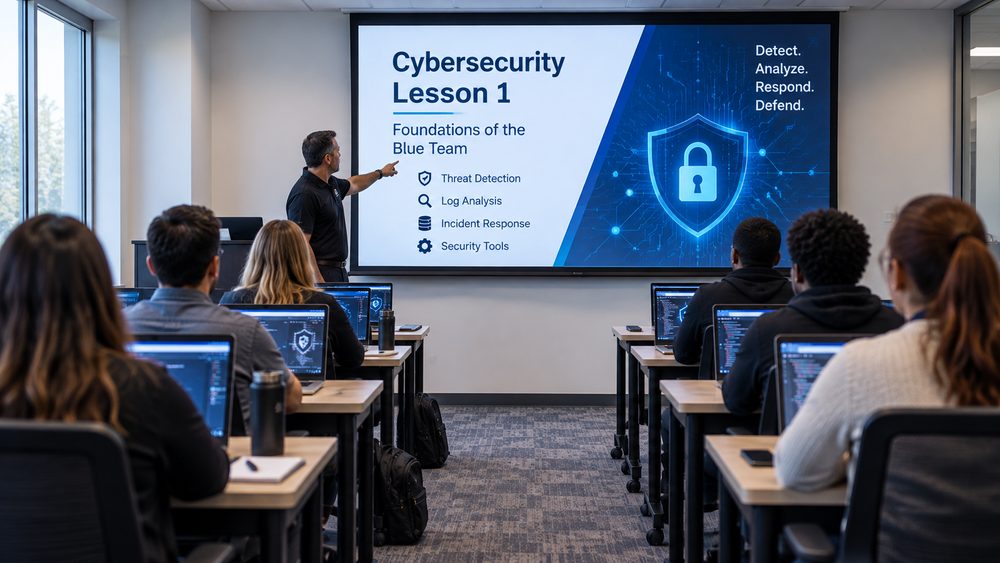
Live cybersecurity training can help make that transition more structured. Instead of relying entirely on prerecorded videos and self-study, learners can ask questions in real time, watch an experienced instructor work through security scenarios, and practice with tools and techniques used in defensive cybersecurity roles.
With the right training path, career changers can build practical skills, prepare for relevant certifications, and develop experience they can discuss with potential employers.
Live training is especially powerful for complex blue team skills like:
- Incident response and containment
- Log analysis and alert triage
- Threat hunting and investigation
- Security hardening and vulnerability management
With a live cybersecurity instructor guiding you through these skills, you can ask questions, troubleshoot problems, and understand how individual tasks fit into a broader defensive security workflow.
Why Blue Team Roles Can Be a Strong Fit for Career Changers
In cybersecurity, the blue team is the defense. These are the people who:
- Watch networks and systems for signs of trouble
- Respond when something looks wrong
- Help stop attacks and clean up the damage
- Work to make systems stronger over time
Demand for cybersecurity professionals remains strong. The U.S. Bureau of Labor Statistics projects employment of information security analysts to grow 21% from 2025 to 2035, much faster than the 3% average for all occupations. For career changers, defensive cybersecurity can offer several potential paths, depending on existing experience and the technical skills developed through training.
The good news is that you may not need to start from zero. Many skills from other jobs carry over into blue team roles. For example:
- IT and help desk experience builds comfort with systems and users
- Networking background helps you read traffic and spot odd patterns
- Compliance or audit work builds a careful, process-based mindset
- Non-technical roles that use problem-solving, writing, or customer service build great soft skills
Defenders spend a lot of time asking questions, sorting clues, and explaining what they find. Good communication and clear thinking matter as much as technical skills.
There is no single right time to begin a cybersecurity career transition. A focused training plan can help career changers build skills progressively while continuing to work, preparing for certifications, or exploring which defensive cybersecurity roles best match their strengths.
How Live Cybersecurity Training Builds Real-World Skills
Learning blue team work only from videos can feel isolating. When you get stuck, you are stuck. A live cyber instructor changes that completely.
With live instruction, you can:
- Ask questions the moment something is not clear
- Watch an expert walk through real tools and data
- See how they think when an alert pops up
- Get direct feedback on your lab work
Blue team skills are hands-on. You need to touch tools like SIEM platforms, endpoint agents, and vulnerability scanners. In a live class, an instructor can help you troubleshoot an error, explain unexpected results, or point out patterns in logs or security data that you may have missed.
This learning style goes far beyond memorizing practice questions. You start to build the habits that real defenders use every day, like:
- Checking multiple data sources before making a decision
- Keeping clear notes you can turn into an incident report
- Knowing when to escalate and when to keep digging
- Matching what you see with known attack techniques
Live instructors can also connect course concepts to real-world cybersecurity scenarios, helping learners understand why a technique matters and how defensive principles apply beyond an individual lab or certification objective.
Inside a Blue Team Training Path at Applied Technology Academy
A clear training path makes a career change feel less scary. At Applied Technology Academy, learners can build a training path based on their existing experience, certification goals, and the type of cybersecurity work they want to pursue.
Depending on the learner's background and goals, a training path may include:
- Core IT and networking foundations
- Security concepts, tools, and common attack techniques
- Certifications such as CompTIA Security+ and CySA+
- Defensive cybersecurity training focused on practical tools and workflows
Each course is taught by a live cyber instructor and backed by hands-on labs. You might work in virtual environments that mirror a security operations center, practice triaging alerts, or walk through a full incident response scenario from first alert to final report.
We also know that class time is only part of the learning process. That is why strong support structures matter. Students can benefit from:
- Office hours where they bring questions from labs or self-study
- Mentoring conversations about career direction and job titles
- Extra exam prep sessions focused on tricky topics
- Guidance on how to talk about new skills in interviews
This additional support can help learners connect certification knowledge with the practical and professional skills used in blue team roles.
Hands-On Blue Team Training, Mentoring, and Certification Prep
Blue team work is not just theory. It is clicking, reading, and deciding under pressure. Hands-on labs are the training ground for that.
In a good blue team lab, you might:
- Review logs from different systems and connect the dots
- Investigate alerts, decide which ones matter, and explain why
- Practice containment steps like blocking an IP or isolating a host
- Write short incident notes and reports a manager can act on
Doing this work in a safe, guided environment builds muscle memory. A live cyber instructor can pause the action, explain what they are thinking, and show different ways to approach the same problem. You get to practice without the fear of breaking a real company system.
Mentoring adds another layer. Many career changers are unsure how to present their past work. A seasoned instructor can help you:
- Map your current skills to blue team job descriptions
- Highlight labs and projects on your resume
- Prepare clear, simple answers for technical interview questions
- Build a study plan that fits with life and family needs
This mix of live teaching, labs, and mentoring makes certification prep feel natural, not separate. You are learning exam content in the same context you will use it at work, which can improve pass rates and help you feel truly job-ready.
Your Next Move Into Cyber Defense Starts Now
Moving into cybersecurity does not happen overnight, but a structured training plan can make the path clearer. Live cybersecurity training gives career changers the opportunity to ask questions, practice defensive techniques, receive instructor feedback, and build skills through hands-on experience.
At Applied Technology Academy, our instructor-led cybersecurity training combines live instruction with practical learning designed to help students understand both the concepts behind cybersecurity and how those concepts apply in real-world environments. Whether your goal is to earn a certification, strengthen existing IT skills, or begin working toward a defensive cybersecurity role, the right training path can help you determine your next step.
Advance Your Cybersecurity Career With Expert-Guided Training
If you are ready to build practical cybersecurity skills with hands-on guidance, explore our cybersecurity training offerings at Applied Technology Academy. Our live, instructor-led courses combine expert instruction, practical labs, and interactive learning to help you build knowledge you can apply beyond the classroom. Contact our team to discuss the training path and schedule that fit your goals.
Frequently asked questions
Is live cybersecurity training good for career changers?
Live cybersecurity training can be especially useful for career changers who benefit from structured instruction, real-time questions, hands-on practice, and instructor feedback while developing new technical skills.
What skills do blue team professionals need?
Blue team professionals may work with security monitoring, log analysis, incident response, threat detection, vulnerability management, endpoint security, and other defensive cybersecurity functions. Specific skills vary by role and organization.
Do I need IT experience before starting blue team training?
Not necessarily, but foundational knowledge of networking, operating systems, and IT concepts can make advanced cybersecurity topics easier to understand. Beginners may benefit from building those fundamentals before moving into more specialized defensive security training.
Which certifications can help prepare for blue team roles?
Certifications such as CompTIA Security+ can establish foundational cybersecurity knowledge, while certifications such as CompTIA CySA+ focus more heavily on security analytics, threat detection, and response. The right certification depends on your experience and target role.